Is a Healthy Smoothie an Effective Meal Replacement for Weight Loss?
If you have ever stood in the kitchen with a ripe banana, a scoop of protein powder, and a quiet hope that this time it will feel easier, you are not alone. For weight loss, a lot of people reach for smoothies because they can be fast, filling, and easier to stay consistent with than full meals. The key question is not whether a smoothie can help. It is whether it can replace a meal in a way that supports fat loss, protects your appetite control, and does not quietly sabotage your calories.
A healthy smoothie can absolutely be an effective meal replacement for weight loss. But only when it is built with the right ingredients, the right portions, and the right role in your day. Let’s talk about what makes a smoothie genuinely useful, and where it often goes wrong.
Why meal replacement matters for weight loss
Weight loss is, at its core, about creating a consistent calorie deficit. For many people, that deficit is harder to achieve when meals feel unpredictable, snacky, or mentally exhausting. A meal replacement smoothie can help because it reduces decision fatigue.
But “meal replacement” is a specific job. A smoothie that simply tastes like a dessert is not automatically a helpful tool, even if it uses fruit and “healthy” add-ons. A meal replacement should typically do three things:
- Keep you satisfied long enough to reduce grazing
- Provide enough protein to support muscle while you lose weight
- Make the total calories predictable, so you can stay in your deficit without constant counting
From my experience coaching people through weight loss plans, the smoothie that works best is rarely the one with the most ingredients. It is usually the one that consistently hits protein and fiber targets, with portions you can repeat on busy days.
What makes a healthy smoothie an effective meal replacement
A meal replacement smoothie for weight loss is more than fruit plus ice. The most effective ones tend to follow a simple structure: protein, fiber, and volume, with controlled carbs and fats.
Protein is the anchor
Protein influences fullness more than many other nutrients. It also supports lean mass, which matters if you want your results to look and feel like “you,” not like a sudden drop in strength and energy.
In practical terms, many people aim for a protein source they can measure. That might be whey or plant protein powder, Greek yogurt, skyr, or a tofu-based blend. If your smoothie has very little protein, it often leaves you hungry sooner, even if it tastes thick.
Fiber keeps hunger from bouncing back
Fruit contributes fiber, but it is easy to overshoot or undershoot. For a meal replacement, fiber should be deliberate. Chia seeds, ground flax, or oats can help increase fiber and thickness without making the drink taste chalky.
One common pattern I have seen: people make smoothies that are “clean” but too smooth, meaning too little fiber and too much speed to digest. Then hunger arrives early and they end up adding crackers, cookies, or a second snack. Thicker is not about texture for its own sake, it is about satiety.
Healthy volume beats “just enough” carbs
Vegetables are a quiet ally in meal replacement smoothies for weight loss. Spinach, cucumber, and zucchini blend easily and add volume with minimal impact on calories. The Smoothie Diet review 2026 This is especially helpful if you tend to rely heavily on banana or mango for sweetness.
Carbs are not the enemy, but the amount matters. If your smoothie is mostly juice-like fruit, it can become calorie-dense without feeling filling.
Portion control is where smoothies win or lose
Here is the trade-off people do not always expect: you can drink a large smoothie quickly, so it is easier to exceed your intended calories. A meal replacement should be sized like a meal, not like a treat.
A useful starting point for many adults is to target a smoothie in the ballpark of a single meal’s calories, then adjust based on hunger and weight trends. Some people thrive with a smaller smoothie if it is paired with a planned snack later. Others need more volume and a stronger protein dose to replace a full meal.
How to build nutritional smoothie meal ideas that actually replace meals
You do not need an elaborate recipe system. You need a repeatable build that you can trust.
Here are a few practical meal replacement smoothie templates that align well with weight loss smoothie shakes, without drifting into “dessert mode.”
- Berry protein smoothie
- Frozen berries
- Protein powder (whey or plant-based)
- Greek yogurt or skyr (or a protein-rich alternative)
- Chia seeds
-
Spinach (optional, for extra volume)
-
Tropical greens smoothie
- Pineapple or mango in a measured amount
- Protein powder
- Flax or chia
- Greek yogurt (or tofu-based yogurt)
-
Spinach or kale
-
Chocolate-ish, not candy
- Unsweetened cocoa powder
- Banana or dates in a controlled portion (banana works best for many people, dates are easy to overdo)
- Protein powder
- Ground flax
-
Milk or unsweetened soy milk
-
Creamy oats and berry smoothie
- Rolled oats (small portion)
- Protein powder
- Greek yogurt
- Frozen berries
- Cinnamon, plus chia if you want extra thickness
If you are trying meal replacement smoothies for weight loss, consistency matters more than perfection. Pick one or two templates and repeat them for a week. You will learn quickly whether your hunger stays steady or if you need to adjust protein, fiber, or portion size.
A quick lived-experience note on thickness
I have watched people force themselves to drink a smoothie that is too thin because it feels “healthier.” Then they feel satisfied for twenty minutes and starving by mid-morning. When they switch to the same smoothie with chia or ground flax, the difference is often noticeable. Thickness is not magic, but it tends to correlate with slower digestion and better satiety.
When smoothies are a great meal replacement, and when they are not
A smoothie can be a helpful tool, but it does not fit every situation. The right choice depends on your schedule, your appetite patterns, and your overall eating rhythm.
Smoothies tend to work well when…
- You often skip meals or eat late, and a prepared smoothie helps you start strong.
- You struggle with chewing or appetite at certain times of day.
- You are consistent with protein and portion size.
- You pair smoothies with whole-food meals for the rest of your day, rather than turning your whole plan into liquid calories.
Smoothies can backfire when…
- The smoothie is mostly fruit with little protein or fiber.
- You drink it too quickly and it does not leave time for your hunger signals to catch up.
- You use calorie-dense add-ons like nut butters or multiple servings of sweet fruit without realizing how quickly calories rise.
- You assume “healthy” means “unlimited,” and the smoothie becomes an easy way to add extra calories.
If you have a history of feeling overly restricted, be extra careful with smoothie swaps that feel like deprivation. For weight loss, the goal is sustainable structure, not constant denial.
The practical “fit” of a weight loss smoothie shakes routine
For meal replacement to support weight loss, it should slot into your day in a way that makes sense for you. Some people prefer replacing breakfast because it prevents morning snacking. Others swap lunch because it keeps the afternoon calmer. The most important part is how your body responds over time.
A helpful approach is to treat your first smoothie week like a test, not a verdict. Track how hunger feels, energy levels, and what happens at your next meal. If you are starving soon after, it usually points to one of three issues: not enough protein, not enough fiber, or too large a gap until your next planned meal.
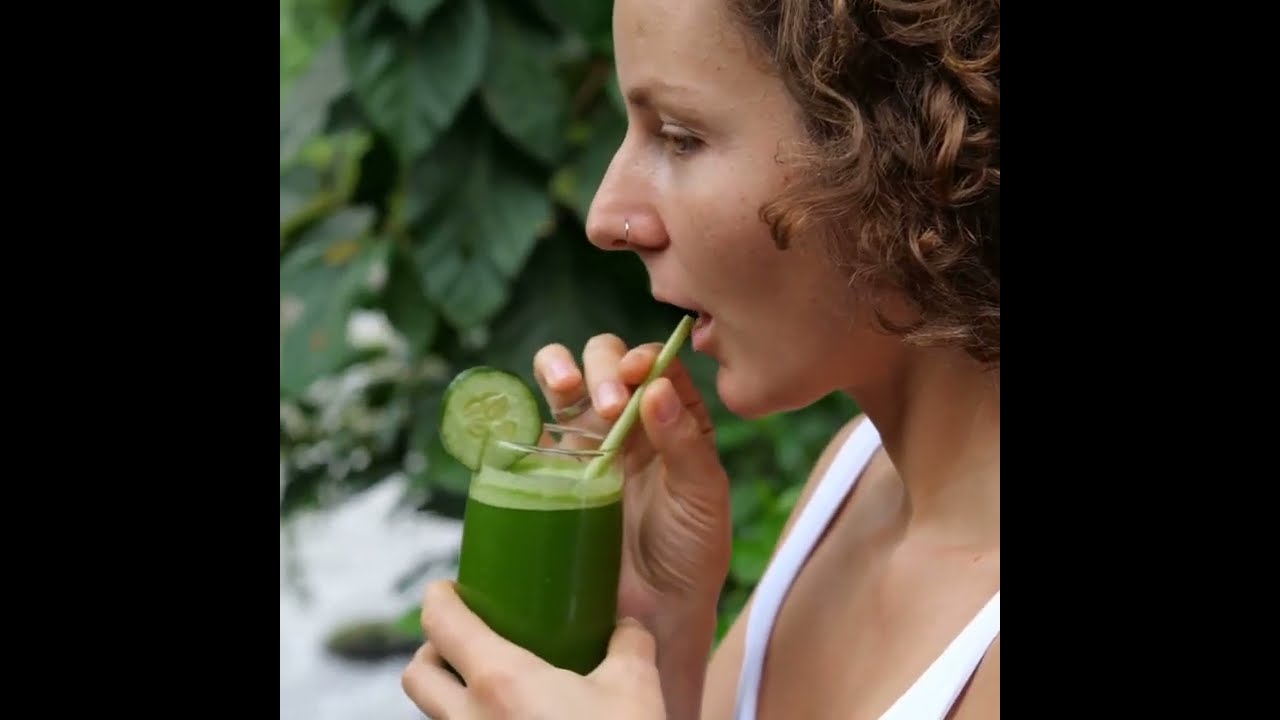
Also, remember that smoothies are not automatically better than solid meals. Some people do better with a smoothie replacement in the short term, then switch to a balanced plate once their weight loss routine stabilizes. That flexibility tends to work better long-term than forcing one method forever.
If you want a smooth meal replacement journey for weight loss, choose a smoothie you can repeat, keep it protein-forward, add fiber for thickness, and keep your portions intentional. When the smoothie earns its “meal replacement” role, it becomes less of a strategy and more of a dependable habit.